Beginner's guide
Your first reef tank, made simple.
Everything we tell new reef keepers at the counter: what to know first, how to set up your tank, the easiest fish and corals to start with, and the habits that keep a reef healthy for years.
Know this first
Six things every beginner should know
Get these down and you're ahead of most people starting out. The rest is just details.
Stability beats perfection
Fish and corals handle 'pretty good' water that stays the same far better than perfect water that swings up and down. Slow, steady changes are the whole game.
Patience is the #1 skill
Nothing good happens fast in a reef tank. The tank has to cycle before animals go in, and stocking a few animals at a time gives your tank's bacteria time to catch up.
Use RODI water — always
Tap water carries phosphate, nitrate, copper and chlorine that feed algae and hurt inverts. Mix your salt and top off evaporation with RODI water only. We sell RODI and premixed saltwater at the shop.
Top off with fresh water, not salt water
When water evaporates the salt stays behind, so the tank gets saltier. Top off with plain RODI water to bring salinity back down. Only water changes use salt water.
Test, don't guess
A refractometer for salinity and a few test kits (alkalinity, nitrate, phosphate) tell you what's really going on. Write your results down so you can spot trends. Bring a sample in and we'll test it for you.
Research before you buy
Every fish, coral and invert has an adult size, a temperament and a diet. Check our guides and compatibility charts first — the 'cute little fish' can grow into a tank bully.
Step by step
Setting up your first reef tank
Go in this order and don't skip ahead. Want the details for your exact tank size? See our tank setup guide.
- 1
Pick your tank and spot
Choose a sturdy, level spot away from windows, heat vents and direct sun. Water weighs about 8.3 lb per gallon, so use a real aquarium stand.
- 2
Set up the gear
Install the return pump, circulation pump (powerhead), heater and light. An all-in-one tank hides most of this in a back chamber.
- 3
Mix saltwater with RODI
Fill the tank with saltwater mixed from RODI water to about 1.025–1.026 specific gravity (35 ppt) at 76–78°F, or pick up premixed saltwater from us.
- 4
Add rock and sand
Stack rock so water can flow around it and leave open sand for your clean-up crew. A little reef-safe epoxy keeps rock from tumbling.
- 5
Cycle the tank
Add bottled nitrifying bacteria and a small ammonia source, then test. The tank is cycled when ammonia and nitrite both read zero and nitrate has started to show up. Brown algae afterward is normal — it passes.
- 6
Add a clean-up crew
Start with a few snails and hermit crabs to eat algae and leftover food. Add more later if algae shows up — too many will starve.
- 7
Add your first fish — slowly
One or two peaceful fish first, then wait a couple of weeks and test before adding more. Always drip acclimate new arrivals.
- 8
Add easy corals
Once the tank is stable, start with soft corals and mushrooms. Place them low in the tank first and move them up as they adjust to your light.
More help: tank setup guide, acclimation & coral dipping, reef calculators and the which-tank quiz.
Gear you need
The beginner reef shopping list
This is the core of every reef tank. We carry all of it — and if we don't have it, we'll order it in.
Tank & stand
15–40 gallons is the sweet spot for a first reef — big enough to be stable, small enough to afford and maintain.
Reef light
A reef-capable LED light with a timer. Soft corals and mushrooms don't need much; you can grow into more later.
Filtration
A filter sock or sponge plus rock for bacteria. Bigger tanks add a protein skimmer.
Circulation pump
A powerhead keeps water moving so corals get food and waste gets carried to the filter.
Heater & thermometer
Keep the tank at 76–78°F all year. A heater controller adds peace of mind.
Rock & sand
About 1 lb of rock per gallon (or less, for an open look) and 1–2 inches of sand.
Salt mix & RODI water
A quality reef salt and a steady supply of RODI water for mixing and top-off.
Refractometer & test kits
Salinity, alkalinity, nitrate and phosphate are the four tests that matter most early on.
Not sure what fits your tank? Use our build-your-tank planner or browse tanks & gear.
Best first fish
The easiest saltwater fish for beginners
Hardy, peaceful, reef safe and happy in smaller tanks. Pick a few that get along — not all of them.
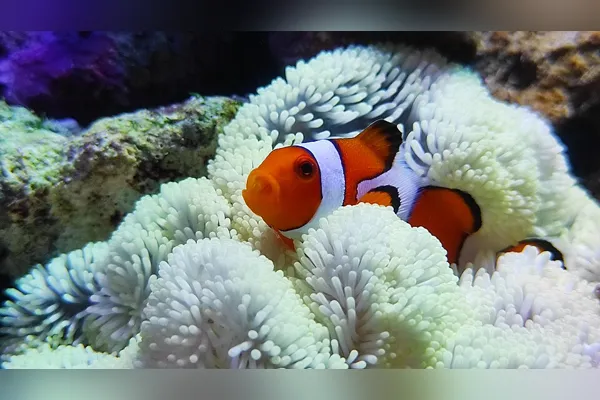
Ocellaris Clownfish
Hardy, captive bred, full of personality and the fish everyone pictures in a reef tank.
Order this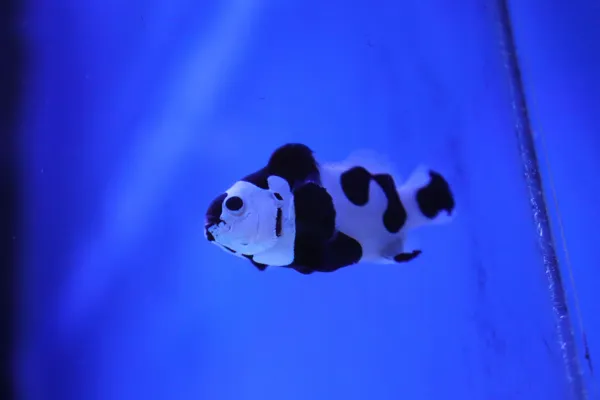
Black Ocellaris Clownfish
Same easygoing nature as the orange ocellaris in a striking black-and-white look.
Order this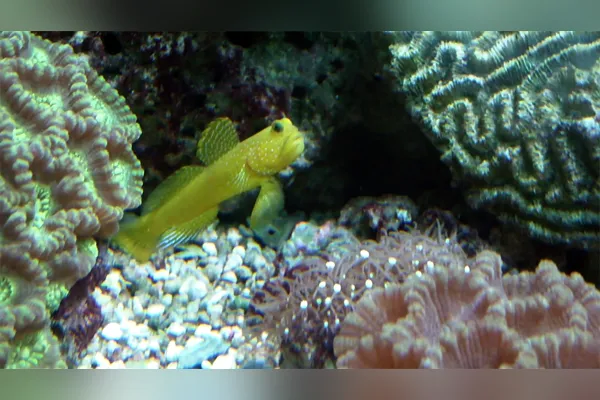
Yellow Watchman Goby
Perches on the sand and can pair up with a pistol shrimp — fun to watch and peaceful.
Order this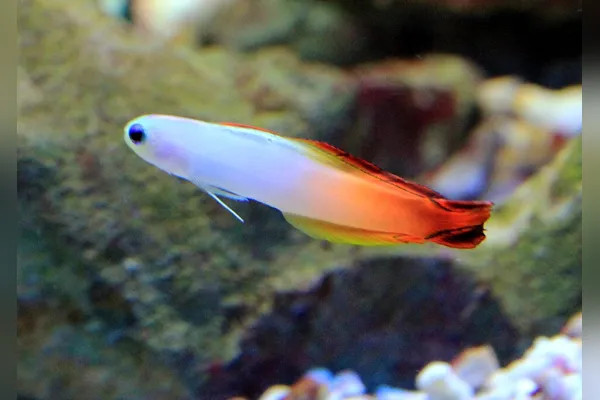
Firefish Goby
Elegant, peaceful hoverer. Keep a lid on the tank — they can jump.
Order this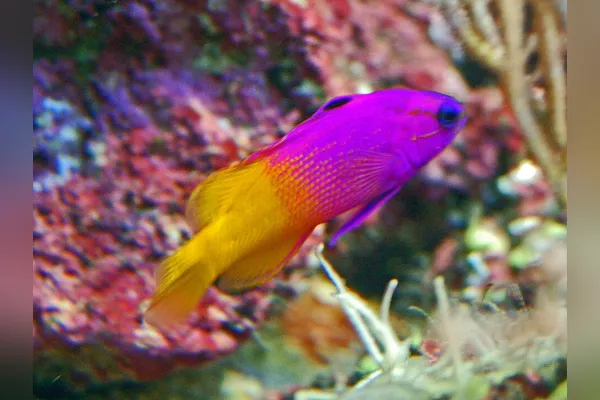
Royal Gramma
Bright purple and yellow, hardy and only mildly territorial over its cave.
Order this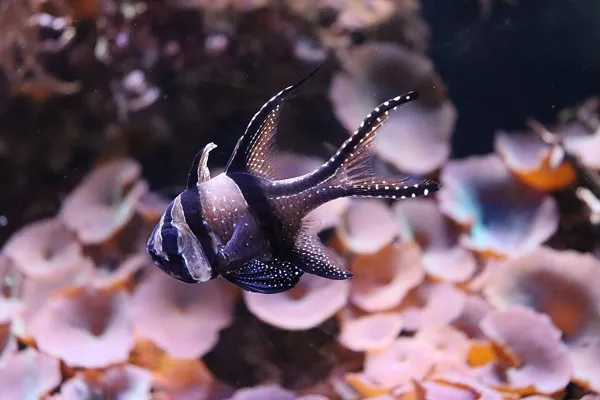
Banggai Cardinalfish
Slow, calm and usually captive bred. Great for quiet community tanks.
Order this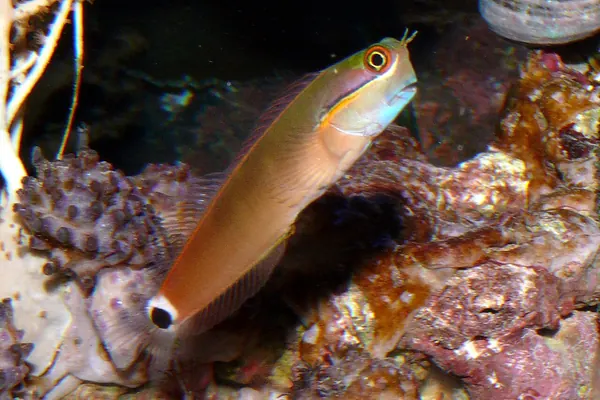
Tailspot Blenny
Tiny, peaceful algae grazer with a goofy face that fits even nano tanks.
Order this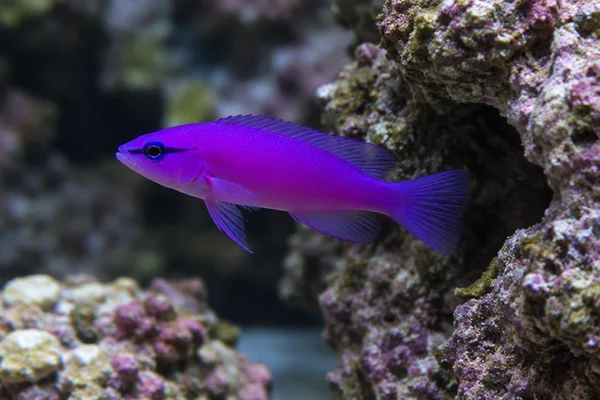
Orchid Dottyback
Captive-bred dottyback that's far calmer than its cousins and eats pest bristleworms.
Order this
Photos are representations of the species only — the actual fish, coral or invert you receive will vary in color, size and shape. See all fish in our fish guide and check who gets along on the fish compatibility chart.
Easiest corals
The best corals to start with
Soft corals, mushrooms and a few easy LPS forgive beginner mistakes and still look amazing.
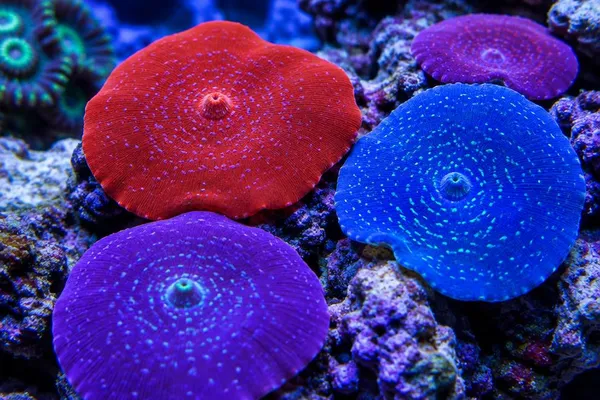
Discosoma
Mushroom corals are nearly bulletproof, love low light and come in every color.
Order this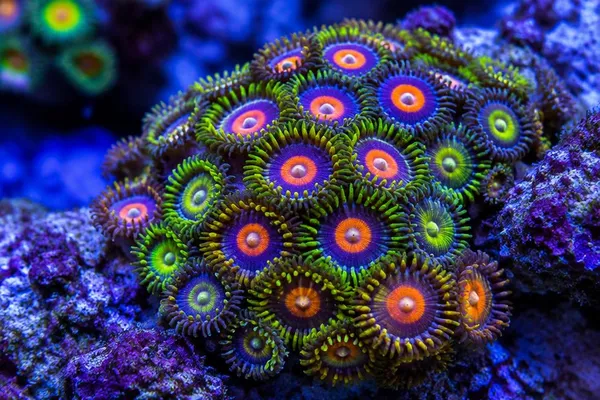
Zoanthids
Colorful polyp carpets that grow fast under moderate light. Wear gloves when handling.
Order this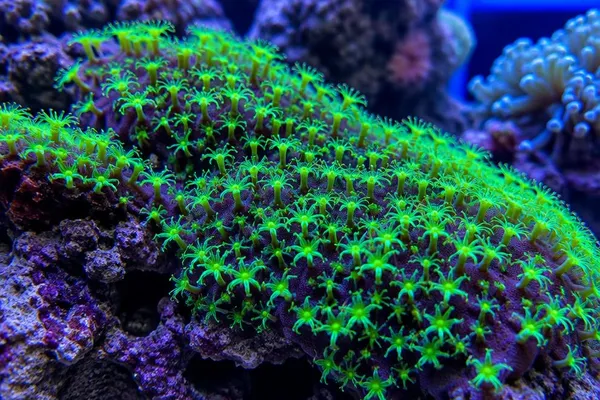
Green Star Polyps
Glowing green carpet that grows fast — put it on its own rock so it can't take over.
Order this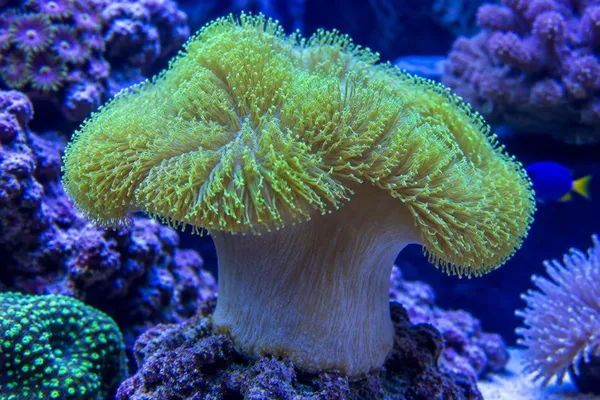
Toadstool Leather
A big, forgiving soft coral that sways in the flow. Sheds a waxy skin now and then — that's normal.
Order this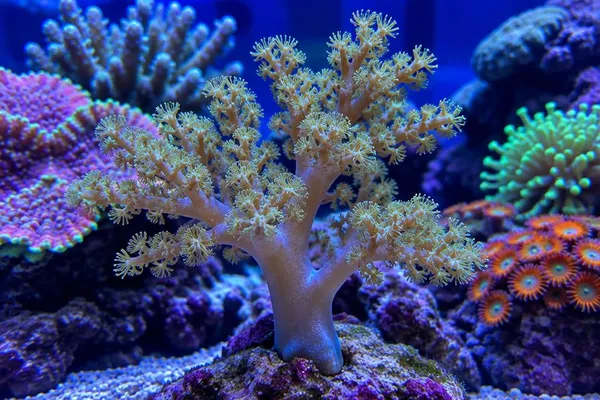
Kenya Tree
Branching soft coral that handles a wide range of light and water quality.
Order this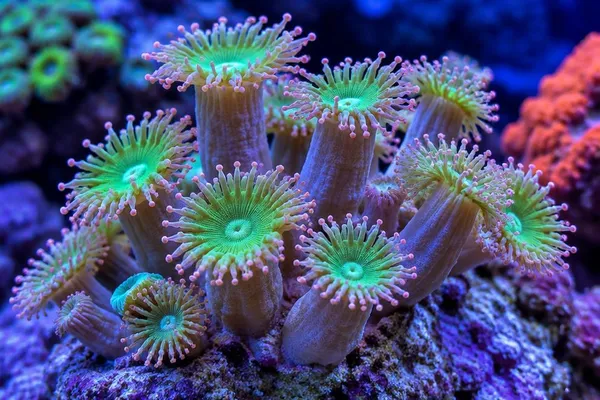
Duncan
An easy LPS coral with big polyps that grows new heads and loves to be spot fed.
Order this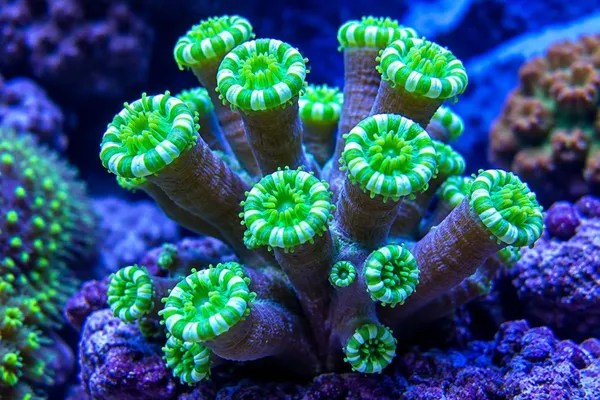
Candy Cane
Hardy LPS that's peaceful, easy to frag and grows into a branching colony.
Order this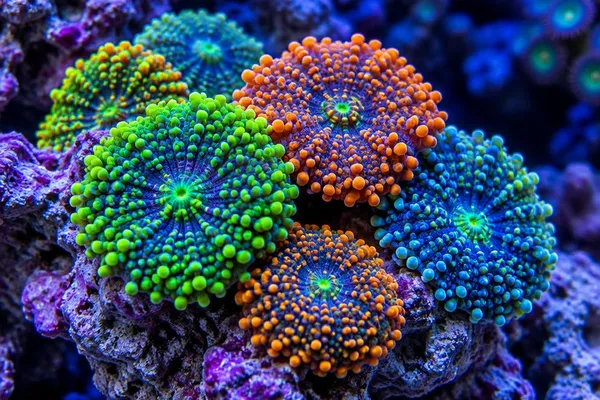
Ricordea Florida
Florida-native mushroom with jewel-like colors that stays put and stays easy.
Order this
Photos are representations of the species only — the actual fish, coral or invert you receive will vary in color, size and shape. Learn more in our coral guide, coral compatibility chart and coral feeding guide.
Clean-up crew
Your starter clean-up crew
Snails, hermits and a shrimp handle algae and leftover food. Start small and add more only if algae shows up.
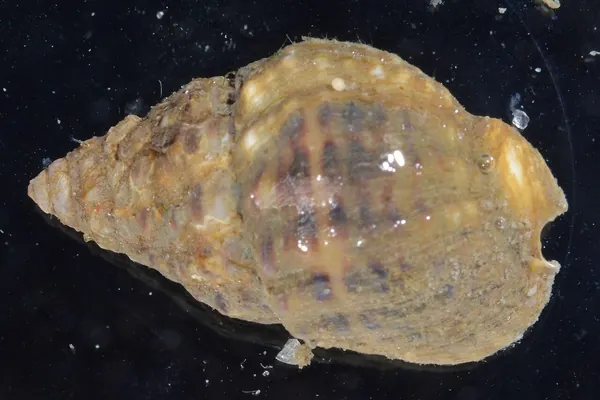
Nassarius Snail
Buries in the sand and pops up to eat leftover food.
Order this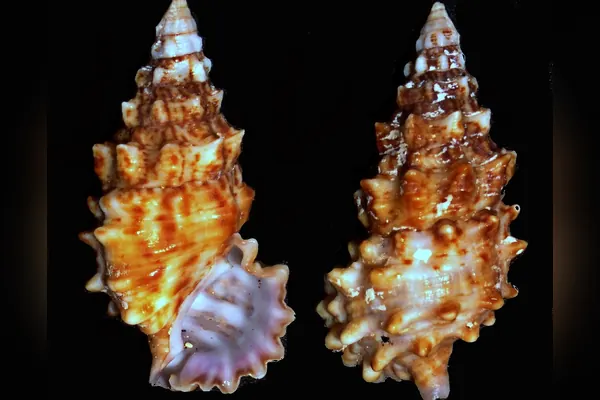
Cerith Snail
Cleans film algae off the glass and stirs the top of the sand.
Order this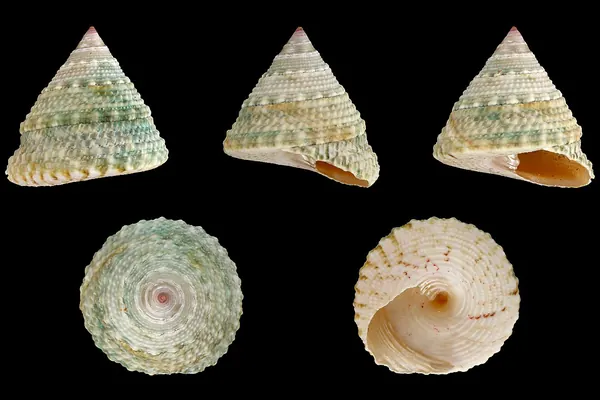
Trochus Snail
Strong algae grazer that can flip itself back over.
Order this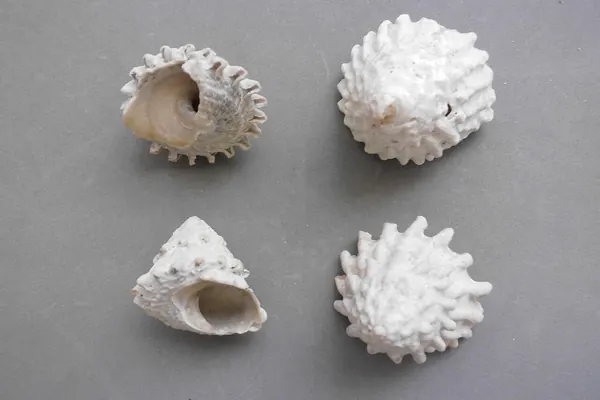
Mexican Turbo Snail
Bulldozes hair algae. One or two is plenty in a small tank.
Order this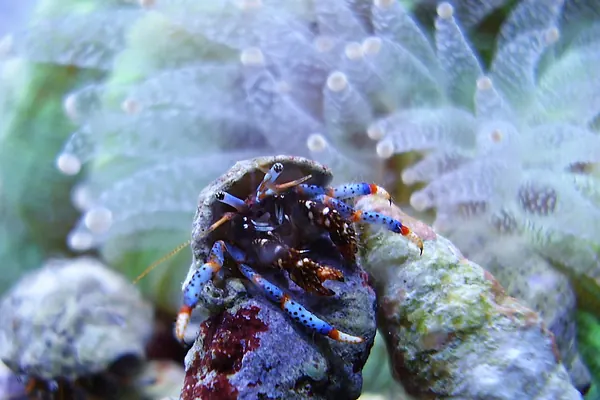
Blue Leg Hermit Crab
Tiny, busy scavengers that get into the rock work.
Order this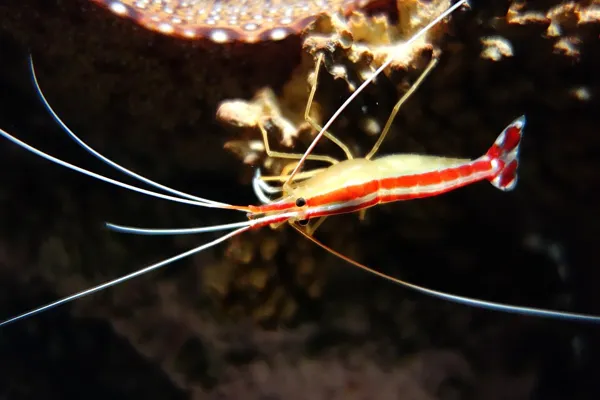
Skunk Cleaner Shrimp
Cleans your fish and eats scraps — a beginner favorite.
Order this
Photos are representations of the species only — the actual fish, coral or invert you receive will vary in color, size and shape. See more in our invert guide.
Hold off for now
What to wait on until your tank is settled
These aren't bad choices — they're just much easier once your tank has some time behind it.
Anemones
They wander, sting and need a mature, stable tank. Many clownfish happily host a soft coral instead.
SPS corals like Acropora
Beautiful but very sensitive to small swings in alkalinity and nutrients. Master soft corals and LPS first.
Tangs in small tanks
Tangs are active swimmers that need long tanks. Even a Yellow Tang needs much more room than a nano.
Mandarin dragonets
They eat live copepods all day and starve in new tanks. Seed pods with PodDrop and wait until the tank is mature.
Fish that eat inverts
Puffers, triggers, eels and many wrasses will eat your shrimp, crabs and snails. Use the filters on our fish guide.
Overstocking
More fish means more waste. Add slowly and stop before the tank feels full — it'll look full once they grow.
Care routine
Simple habits that keep a reef healthy
A few minutes a day and about an hour a week is all most beginner tanks need.
Every day
- Look at every fish — are they eating and swimming normally?
- Check the temperature
- Top off evaporation with RODI water
- Feed a small amount your fish eat in a minute or two
Every week
- Change about 10–20% of the water with fresh saltwater
- Swap or rinse the filter sock or sponge
- Clean the glass and wipe salt creep off the lid and light
- Test salinity and alkalinity
Every month
- Test nitrate, phosphate, calcium and magnesium
- Rinse pumps and powerheads if they're getting crusty
- Replace carbon or filter media if you use it
- Look back at your test log for trends
Beginner mistakes to avoid
Protect your reef during housework: aquarium-safe cleaning tools, household cleaners & aerosol precautions.
Rushing the cycle
Adding fish before ammonia and nitrite read zero is the fastest way to lose them. Test, then wait.
Overfeeding
Uneaten food turns into nitrate, phosphate and algae. Feed less than you think.
Chasing numbers
Dumping in chemicals to hit a 'perfect' number causes swings. Change things slowly.
Skipping acclimation
Sudden changes in temperature, salinity and pH stress new animals. Drip acclimate fish and inverts.
Impulse buys
Buying an animal before knowing its adult size, diet and tankmates. Ask us first — that's what we're here for.
Topping off with salt water
Evaporation only removes fresh water. Topping off with salt water makes the tank saltier every day.
Seeing something strange in your tank? Check our pests & hitchhikers guide, look up words in the reef glossary, or learn about dosing, flow & nutrients.
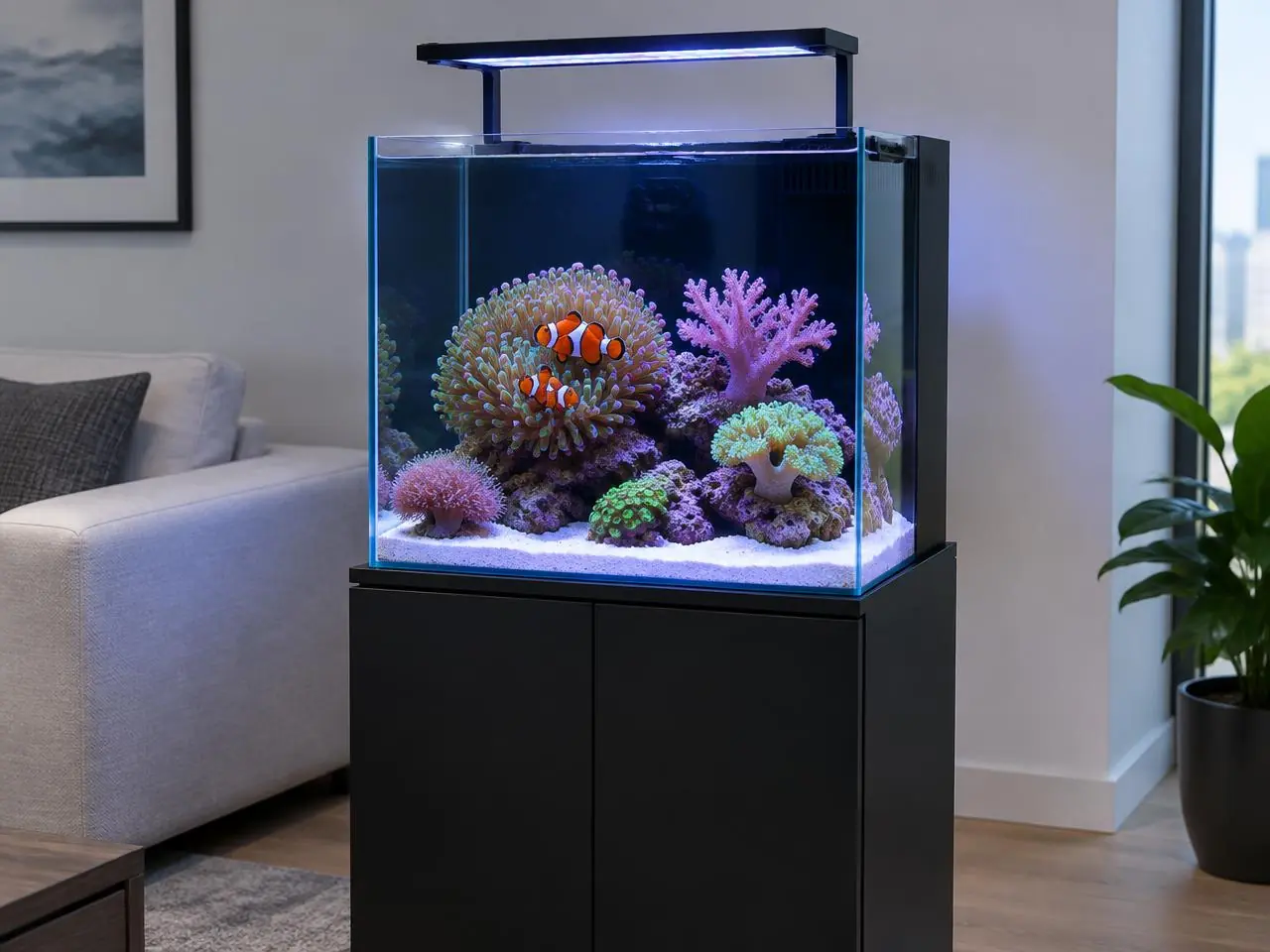
The easiest way to start
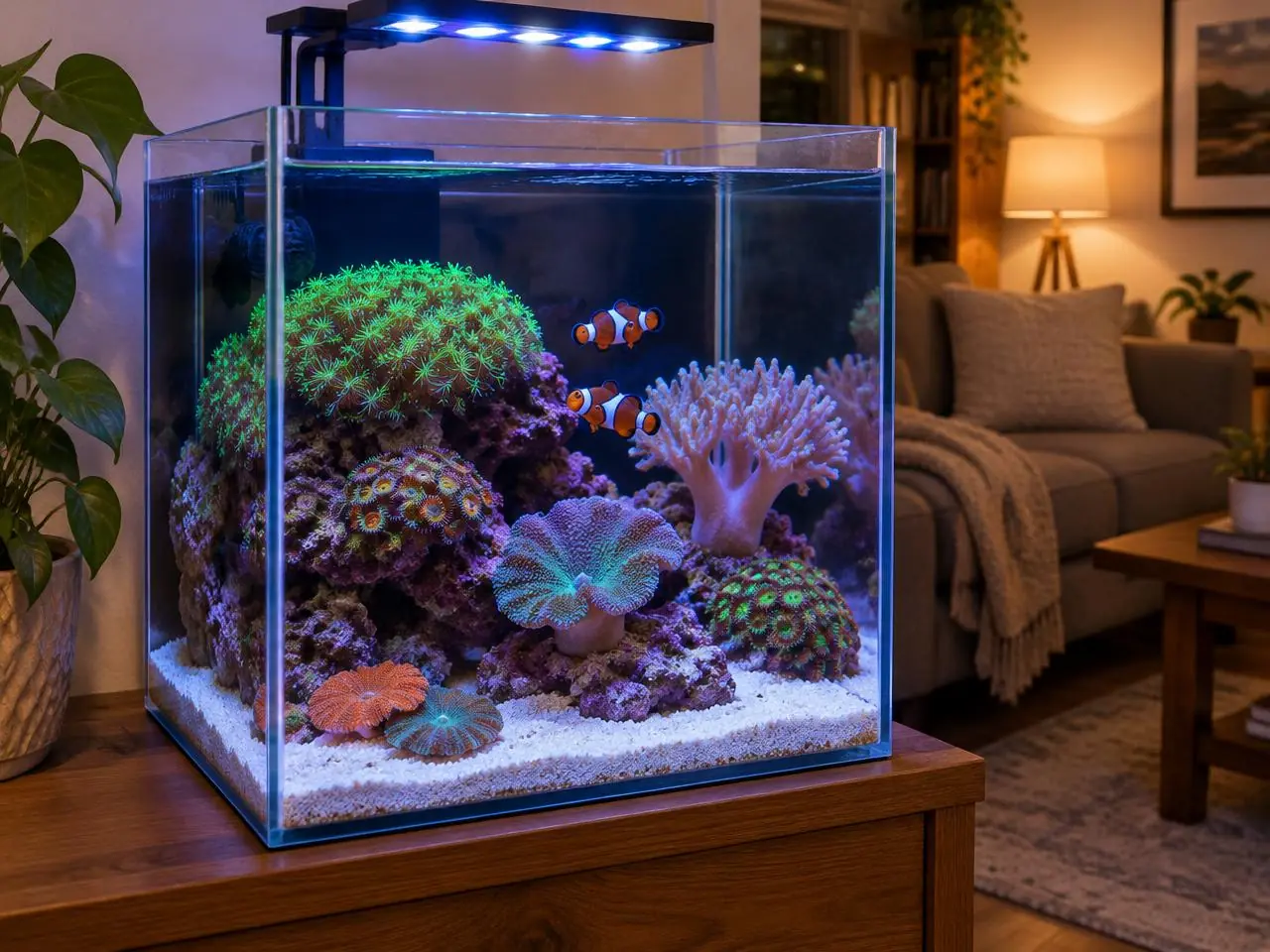
Start with a HelloReef all-in-one nano.
The hardest part of starting a reef is knowing what to buy. HelloReef takes the guesswork out: one box with the tank, light, pumps, heater, rock, sand, salt and step-by-step video lessons. Add water and you're on your way — then come see us for your first clownfish and corals.
All the gear hides in the back
Filter, pump and heater sit in a chamber behind the display, so all you see is the reef — no messy sump or hanging equipment.
Fits anywhere
A desk, a counter, a bedroom dresser or a classroom. A 15-gallon cube takes up about as much space as a large microwave.
Quick, cheap water changes
A weekly water change on a 15-gallon is only 2–3 gallons — one jug of our premixed saltwater.
Perfect for clownfish and easy corals
A pair of clownfish, a goby, a clean-up crew and a rock full of soft corals and mushrooms is a full, colorful reef in a small space.
What comes in the HelloReef kit
- 15-gallon rimless all-in-one glass aquarium with a hidden rear filtration chamber
- Programmable 12" AquaIllumination Blade LED reef light
- Quiet return pump and nano circulation pump
- Preset aquarium heater
- Filter sock, sponges, ceramic biological media and activated carbon
- Live rock and live sand to build your reef
- Reef salt, live nitrifying bacteria to start the cycle, and clownfish food
- Refractometer and thermometer for checking your water
- Underwater epoxy, a glass scraper and gloves
- Numbered boxes and step-by-step video lessons — no experience needed
Kit contents can change — call us to confirm what's in the box today. Live animals aren't included; pick them out with us.
HelloReef setups we can get you
HelloReef Clownfish & Anemone Aquarium Kit
The complete 15-gallon starter kit with everything above in the box.
Order thisHelloReef 15 Gallon Aquarium & Stand Bundle
The 15-gallon HelloReef with a matching stand — black, white, dark brown or multi brown.
Shop in catalogHelloReef 33 Gallon Aquarium & Stand
A bigger HelloReef with more room for fish and corals, with a black or dark brown stand.
Shop in catalog
Your first reef starts here
Come see us, grab RODI or premixed saltwater, and bring a water sample to get it tested. We'll help you pick fish and corals that fit your tank. Open Monday–Saturday 11 AM – 7 PM, Sunday 12 PM – 5 PM.
Questions
Beginner reef tank FAQ
What size saltwater tank is best for a beginner?
Somewhere between 15 and 40 gallons. It's big enough to stay stable and small enough to be affordable and easy to maintain. An all-in-one nano like a 15-gallon HelloReef keeps all the equipment hidden and comes with everything you need.
What are the easiest saltwater fish for beginners?
Captive-bred ocellaris clownfish, yellow watchman gobies, firefish, royal grammas, Banggai cardinalfish, tailspot blennies and orchid dottybacks are all hardy, peaceful and reef safe.
What are the easiest corals for beginners?
Mushrooms (Discosoma and Florida ricordea), zoanthids, green star polyps, toadstool leathers, Kenya trees, duncans and candy cane corals. They handle a wide range of light and water quality.
How long until I can add fish to a new saltwater tank?
Once the tank has cycled — ammonia and nitrite both test zero and nitrate is starting to show. Then add one or two fish at a time and test before adding more. Bring us a water sample and we'll test it for you.
Can I use tap water in a saltwater tank?
We don't recommend it. Tap water carries phosphate, nitrate, copper and chlorine that feed algae and hurt inverts. Use RODI water — we sell RODI and premixed saltwater at our Sarasota shop (1882 Porter Lake Dr, Unit 106).
Do you sell HelloReef all-in-one aquariums?
Yes — we can get the HelloReef 15-gallon kit, the 15-gallon with stand bundles and the 33-gallon with stand. Call us at (941) 431-9410 or send an order request and we'll get one for you.
Talk to a real reefer
Looking for a coral or fish? Give us a call.
We'll tell you what's in stock today, ship it to you (in-store stock is first come, first served), and help you plan your tank. Open Monday–Saturday 11 AM – 7 PM, Sunday 12 PM – 5 PM.