Neptune Systems
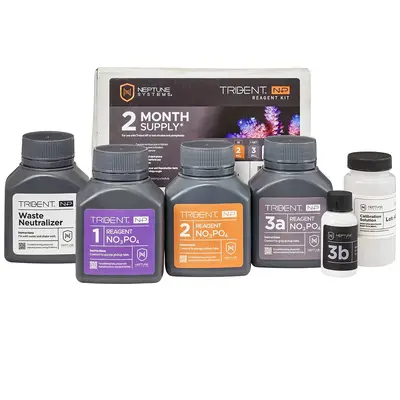
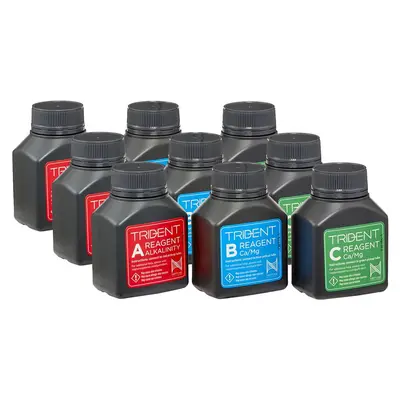
6-Month Trident Reagent Kit
$109.99
Testing phase · purchases coming soonWe're in a testing phase — purchases will be available soon
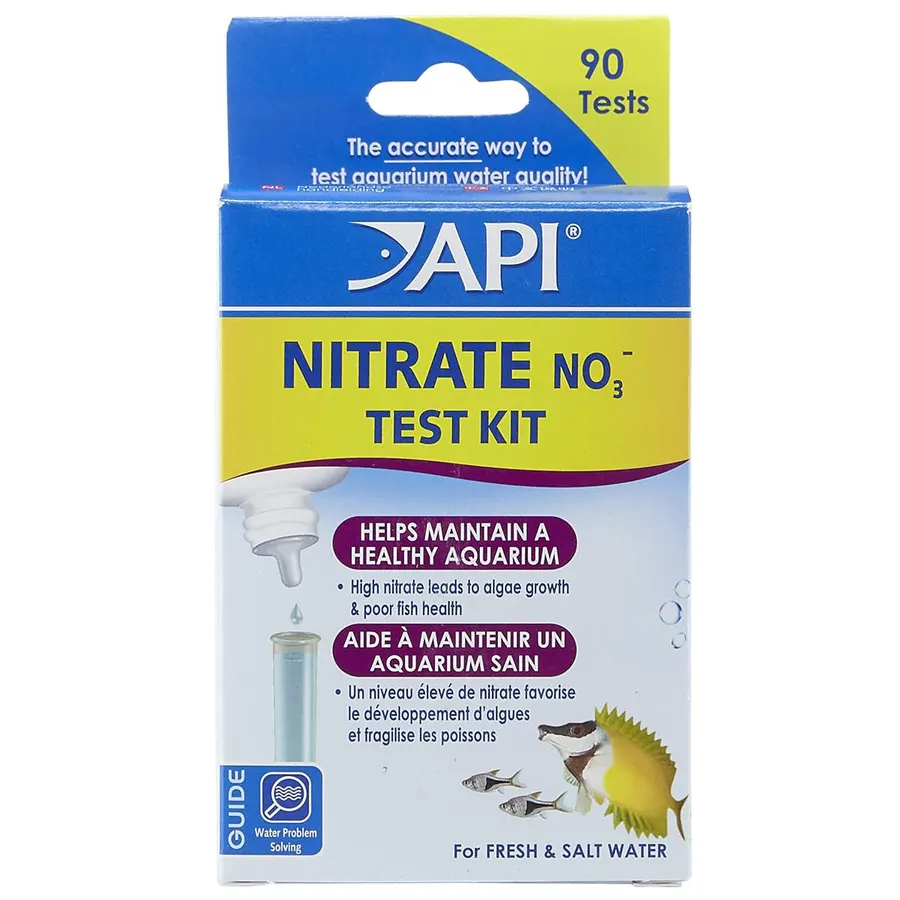
Product photos are from the maker; packaging may vary.
API
$13.98
Your card is charged now for the items, shipping and sales tax — the buyer always pays shipping, shown before you pay, except gear orders of $1,500 or more, which ship free. Under $1,500, tanks and stands ship by freight, charged to this same card once packed. No returns. Shipping policy
Measures nitrate levels in both fresh & saltwater aquariums. Tests nitrate levels from 0 to 160 ppm. 90 tests per kit. Freshwater/Saltwater Nitrate Test Instructions: Why Test For Nitrate? Nitrate (NO3-) is produced in the aquarium by the biological filter. Beneficial bacteria in the biological filter convert toxic ammonia and nitrite into nitrate. A high nitrate level indicates a build-up of fish waste and organic compounds, resulting in poor water quality and contributing to the likelihood of fish disease. Excessive nitrate also provides a nitrogen source that can stimulate algal blooms. In the opinion of many aquarists, maintaining a low nitrate level improves the health of fish and invertebrates. Testing Tips: This test kit reads total nitrate (NO3-) level in parts per million (ppm) which are equivalent to milligrams per liter (mg/L) from 0 ppm to 160 ppm, in either fresh or saltwater aquariums. This kit includes two Nitrate Test Color Charts — one for freshwater aquariums, and one for saltwater aquariums — so be sure to use the correct chart for your type of aquarium when interpreting test results. The Freshwater Nitrate Test Color Chart is the appropriate chart to use for tes
What The Test Results Mean: In new freshwater and saltwater aquariums the nitrate level will gradually climb as the biological filter becomes established. A nitrate level of 40 ppm (mg/L) or less is recommended for freshwater aquariums. Many marine aquarists prefer to keep nitrate levels as low as possible, especially when keeping invertebrates. Monitoring Nitrate Levels: Regular testing for nitrate is an essential part of routine aquarium maintenance. Aquarium water should be tested for nitrate once a week to make sure the nitrate does not reach an undesirable level. Reducing Nitrate: In Saltwater Partial water changes are the easiest way to lower the nitrate in a saltwater aquarium. Keep in mind, however, that the biological filter constantly produces nitrate. DANGER:
Talk to a real reefer
We'll tell you what's in stock today, ship it to you (in-store stock is first come, first served), and help you plan your tank. Open Monday–Saturday 11 AM – 7 PM, Sunday 12 PM – 5 PM.