Red Sea
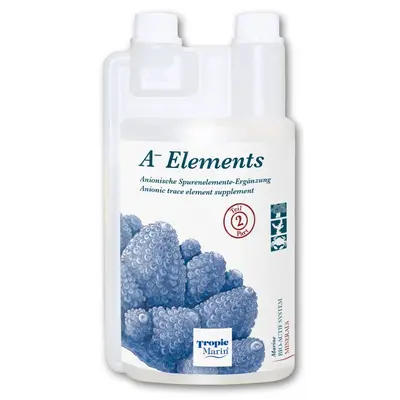
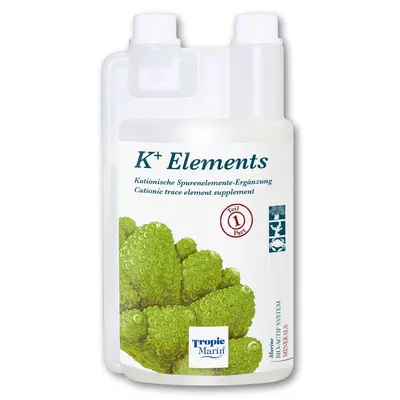
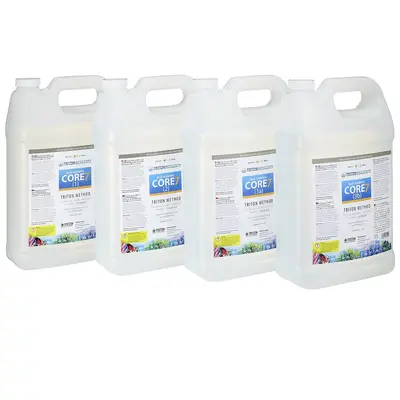
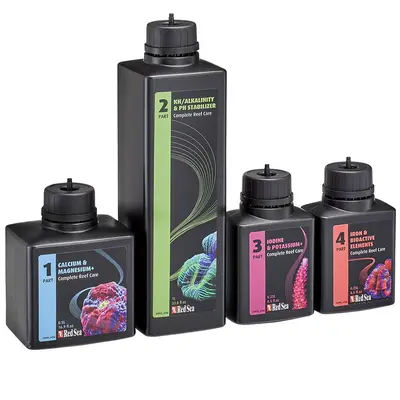
4-Part Complete Reef Care Dosing System
from$69.99
Testing phase · purchases coming soonWe're in a testing phase — purchases will be available soon
Product photos are from the maker; packaging may vary.
Brightwell Aquatics
$21.09
Your card is charged now for the items, shipping and sales tax — the buyer always pays shipping, shown before you pay, except gear orders of $1,500 or more, which ship free. Under $1,500, tanks and stands ship by freight, charged to this same card once packed. No returns. Shipping policy
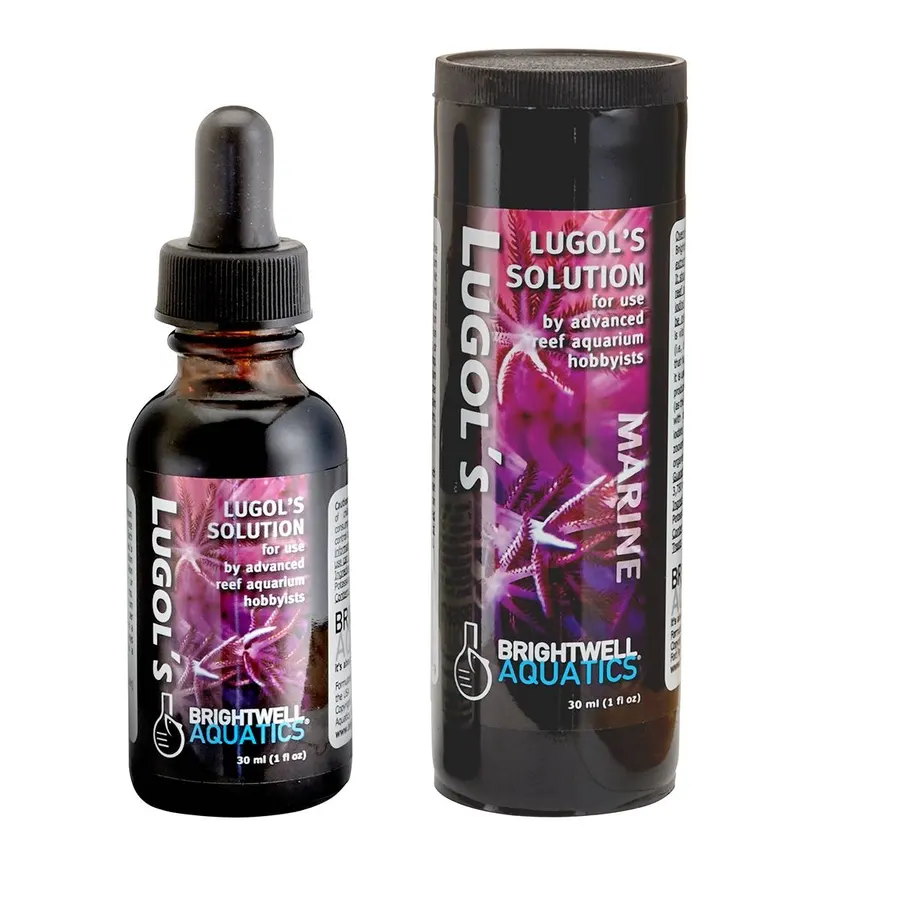
Overview Brightwell Lugol's is an extremely powerful iodine/iodide solution. It should only be used by advanced aquarists.
US regulations do not permit the sale of Lugol's Solution in sizes larger than 30mL
Determine the iodine concentration in the aquarium using an accurate test kit before supplementing. Each ml of Brightwell Aquatics Lugol’s will increase the concentration of iodine (“[I]”) in 1 US-gallon (3.785 L) of water by 34 ppm, or approximately 1.7 ppm per drop. Add this product at the maximum dosage of 1 drop (1/20th ml) per 35 US-gallons daily to maintain a concentration of 0.05 ppm. Always try to maintain the [I] within a range of +/-0.02 ppm. Determine the required daily dosing rate (recommended to weekly dosing) by measuring the aquarium's [I] at the same time each day over a one- to two-week period. Estimate the volume of water in the entire aquarium system; divide the daily decrease in [I] by 1.7; multiply this number by the volume of water in the system to get the daily dosage required (drops) to maintain a stable [I].
Keep out of reach of children. Not for human consumption. Contact poison control center if ingested.
Purified water, Potassium Iodide, Iodine
Brightwell Aquatics Lugol’s is an extremely powerful iodine solution. It should only be used by advanced reef aquarists to dose iodine as well as to create a dip for corals and their allies. The importance of iodine in a reef aquarium cannot be overstated. Presence of iodine is vital to hermatypic invertebrates (i.e., corals, clams, and their allies that harbor zooxanthellae) because it is used to detoxify excess oxygen produced by zooxanthellae. This oxygen irritates sensitive tissue. Corals and clams that appear to shrivel or close under intense lighting are attempting to shade their zooxanthellae crop to reduce the rate of oxygen production. Iodine (as the iodide ion) essentially bonds with oxygen to form non-toxic iodate, relieving the need to shield zooxanthellae and enabling the host organism to open fully. The predominant form of iodine in seawater is iodide. The natural seawater concentration of all iodine species combined is approximately 0.06 ppm, classifying it as a minor element. Even in this small concentration, iodine is required for survival of fishes, crustaceans, macroalgae and kelp, and hermatypic invertebrates alike. Iodine binds rapidly with latent organic mater
Talk to a real reefer
We'll tell you what's in stock today, ship it to you (in-store stock is first come, first served), and help you plan your tank. Open Monday–Saturday 11 AM – 7 PM, Sunday 12 PM – 5 PM.